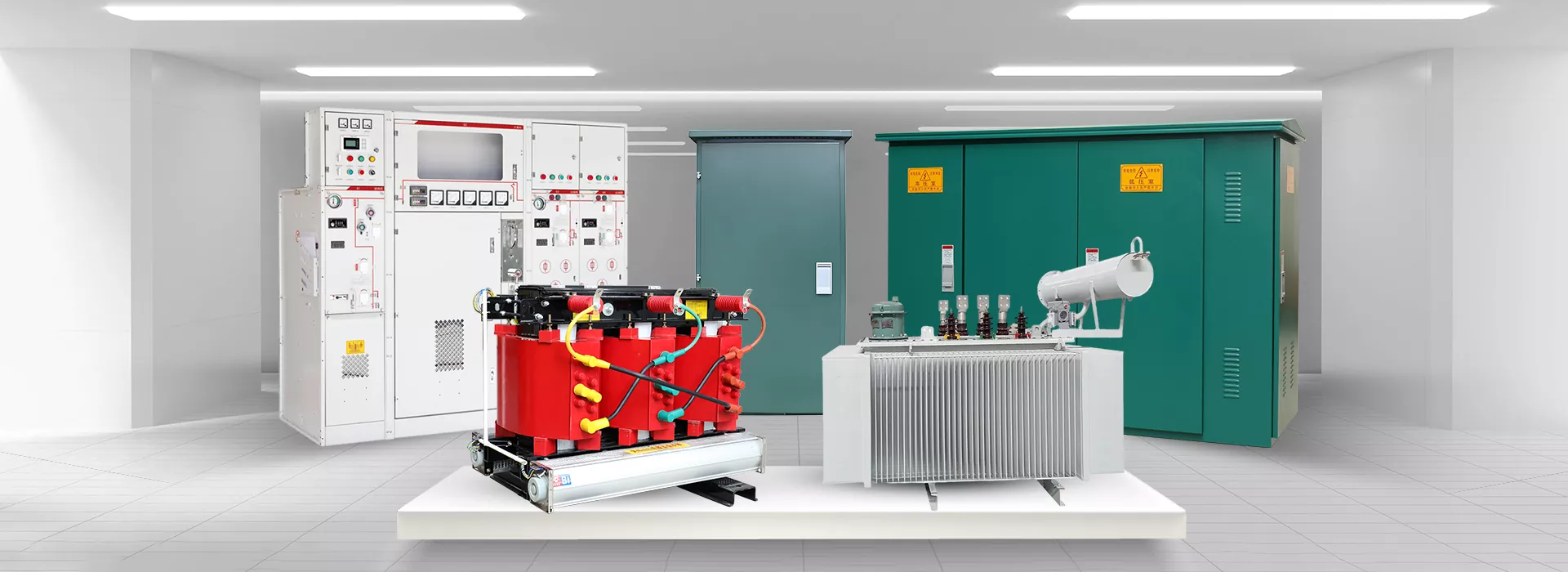
I. Product definition and model interpretation
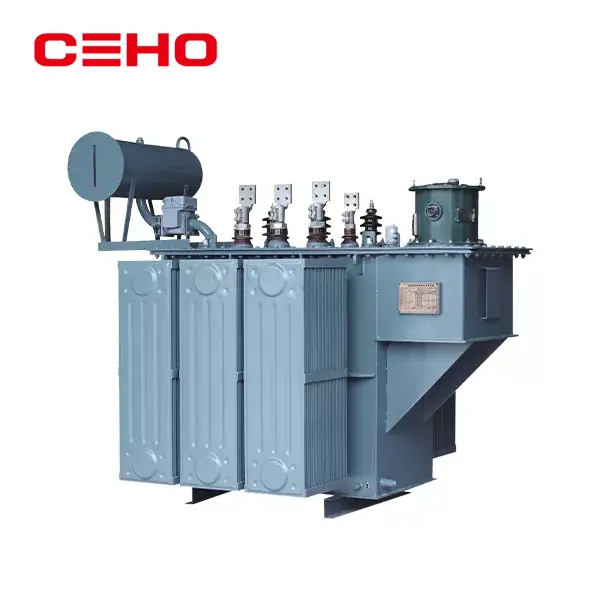
Double winding on-load voltage-regulated oil-immersed power transformer refers to:
• Double winding: It only contains two sets of high-voltage and low-voltage windings. The structure is simpler than that of three-windings and is suitable for the conversion of a single voltage level.
• On-load voltage regulation: Equipped with an on-load tap changer (OLTC), which can switch the tap to adjust the transformation ratio and stabilize the output voltage when the transformer is operating under load without interrupting the power supply.
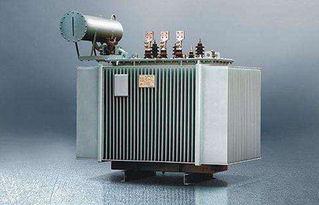
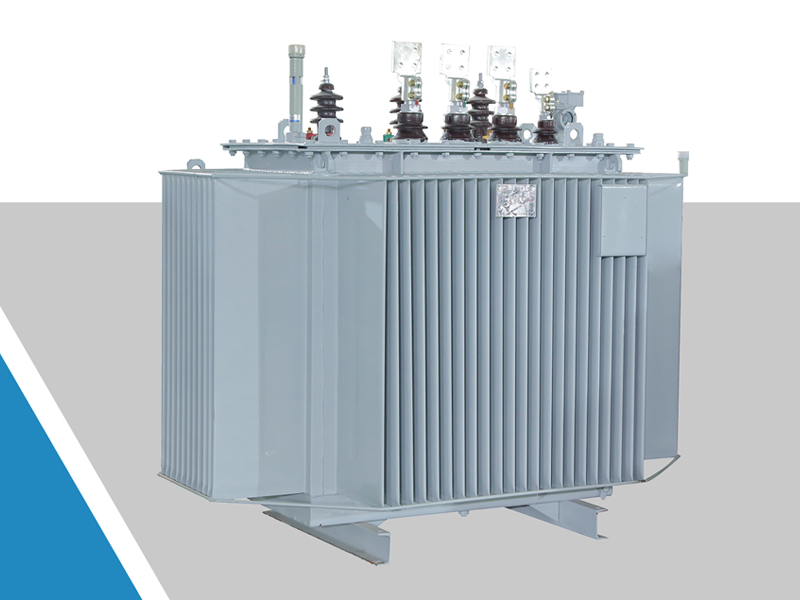
• Oil-immersed type: The device body is immersed in insulating oil. The oil has the functions of insulation, heat dissipation and arc extinguishing. It usually adopts a corrugated oil tank or oil conservator structure.
Typical model example: SZ11-31500/35
• S: three-phase
• Z: On-load voltage regulation (without this letter, it usually means no-excitation voltage regulation)
• 11: Performance level code (corresponding to energy efficiency levels such as S13/S20/S22 and other iterations)
• 31500: Rated capacity (kVA)
• 35: Rated voltage of high voltage side (kV)
II. Core structure composition
The structure of this product can be divided into the following core systems:
1. Body components
• Iron core: It adopts high magnetic permeability grain-oriented cold-rolled silicon steel sheets and a fully oblique joint stacked structure to reduce no-load loss and noise.
• Winding: Double-winding concentric structure, the high-voltage winding is equipped with multiple groups of taps leading to the tap-changer; the low-voltage winding mostly uses copper foil or oxygen-free copper wire to improve mechanical strength and short-circuit resistance.
2. Pressure regulating device (core difference)
• On-load tap-changer (OLTC): Contains selector switch, diverter switch, transition resistor or vacuum interrupter. It has independent arc extinguishing and oil chamber structures to prevent carbides generated by switching from contaminating the insulating oil of the main tank. It has a transition process of "first make and then break" to ensure continuity of current.
3. Fuel tank and oil system
• Fuel tank: It is divided into corrugated fuel tank (fully sealed, maintenance-free, expansion and contraction with oil temperature) or fuel tank with oil conservator (equipped with moisture absorber and oil level gauge).
• Insulating oil: plays the role of insulating medium and cooling medium. The breakdown voltage and trace water content need to be monitored regularly.
4. Protection and auxiliary control system
• Equipped with gas relay (gas protection), pressure relief valve, thermometer (top oil temperature/winding hot spot), and optional automatic voltage controller (AVC) to achieve remote or automatic gear adjustment.
III. Working principle: How to realize "live voltage regulation"?
Its basic principle is still based on the law of electromagnetic induction (U_1/U_2 = N_1/N_2). The core of voltage regulation is to change the effective number of turns N_1 of the high-voltage winding:
• When the voltage is low: the controller instructs the tap changer to operate, increase the number of turns on the high voltage side (switch to a low gear), and increase the transformation ratio, thus increasing the secondary side output voltage.
• When the voltage is high: Reduce the number of turns on the high-voltage side (shift to a high level), reduce the transformation ratio, and reduce the secondary-side voltage.
On-load switching process (key):
At the moment of switching, the transition circuit (including transition resistor) bridges two adjacent taps, limiting the circulating current and completing arc extinguishing, realizing uninterrupted transfer of load current without power outage during the entire process.
IV. Technical features and advantages
• High power supply continuity: Different from non-excitation voltage regulation (which requires power outage adjustment), on-load voltage regulation realizes dynamic voltage correction, which is especially suitable for loads that are sensitive to voltage or cannot be powered off (such as semiconductor production lines and hospitals).
• Controllable voltage quality: The voltage regulation range is usually ±10% or ±15% (such as 35±3×2.5%), which can effectively offset line voltage drops and power grid fluctuations.
• Strong heat dissipation and overload capacity: The oil-immersed structure is matched with a chip radiator or air cooling (ONAF), suitable for long-term operation of medium and large capacities (such as 800~31500kVA or even larger).
• Energy efficiency upgrade: Most modern products comply with the GB 20052-2020 energy efficiency standard (level S22/S20), and the no-load loss is significantly lower than that of older models (S9/S11).
V. Typical application scenarios
1. Regional substation and distribution network: 35kV/10kV or 110kV/10kV main substation transformer, used to adjust feeder voltage to ensure the quality of residential and commercial electricity.
2. Industrial and mining enterprises and heavy industries: Impact load scenarios such as steel, chemicals, and electrolytic aluminum require frequent voltage regulation to offset voltage offsets caused by severe load fluctuations.
3. New energy grid connection (photovoltaic/wind power): The voltage on the power generation side fluctuates greatly due to environmental influences. On-load voltage regulation can stabilize the bus voltage of the booster station and meet the grid connection specifications.
4. Rural power grid transformation: The power supply radius is long and the terminal voltage is low. Low-voltage problems are improved through on-load voltage regulation, replacing old high-loss distribution transformers.
VI. Key points in selection and operation and maintenance
• Capacity and short-circuit impedance: The load margin needs to be calculated (it is recommended to leave 10%~15%), and the short-circuit impedance needs to match the system short-circuit current level (usually 4%~10%).
• Tap range and switch type: Select ±10% or wider range according to the local power grid voltage fluctuation; confirm whether the operating mechanism is manual, electric or remote SCADA control.
• Operation and maintenance focus: focus on monitoring the oil chromatography analysis (DGA) of the on-load tap changer, and be alert to the occurrence of acetylene (discharge hazard); regularly check the number of switch operations and contact wear, and perform core lifting or oil change maintenance according to the manufacturer's regulations.
Summary: double-winding OLTC oil-immersed power transformers are still the main equipment in the current medium and high-voltage power distribution field due to their high reliability, continuous voltage regulation capabilities and mature oil insulation technology. With the improvement of energy efficiency standards and the development of intelligence (online monitoring, automatic voltage regulation), its voltage support role in new power systems will become more prominent.