
Lietuvos
- English
- Español
- Português
- русский
- Français
- 日本語
- Deutsch
- tiếng Việt
- Italiano
- Nederlands
- ภาษาไทย
- Polski
- 한국어
- Svenska
- magyar
- Malay
- বাংলা ভাষার
- Dansk
- Suomi
- हिन्दी
- Pilipino
- Türkçe
- Gaeilge
- العربية
- Indonesia
- Norsk
- تمل
- český
- ελληνικά
- український
- Javanese
- فارسی
- தமிழ்
- తెలుగు
- नेपाली
- Burmese
- български
- ລາວ
- Latine
- Қазақша
- Euskal
- Azərbaycan
- Slovenský jazyk
- Македонски
- Lietuvos
- Eesti Keel
- Română
- Slovenski
- मराठी
- Srpski језик

Naujienos
Džiaugiamės galėdami pasidalinti su jumis savo darbo rezultatais, įmonės naujienomis, laiku papasakoti apie pokyčius ir personalo paskyrimo bei atleidimo sąlygas.
 09 2026-07
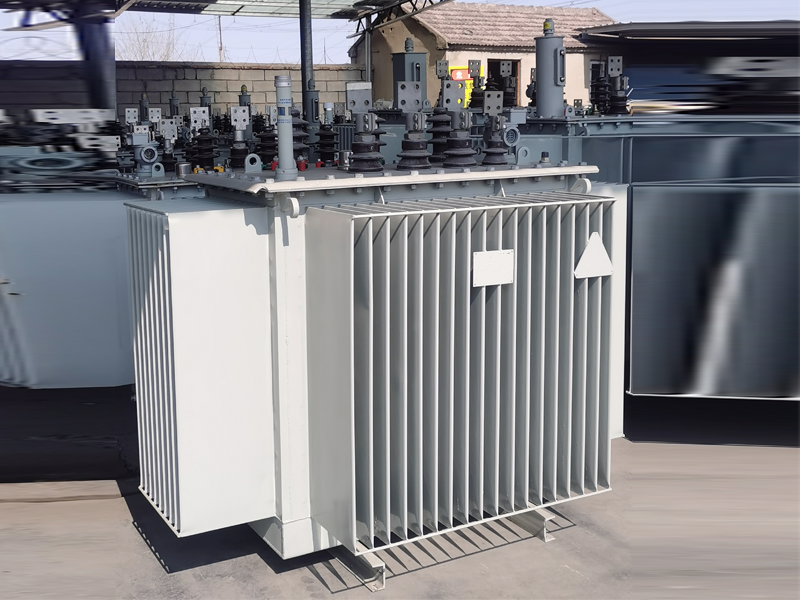
What is a no-excitation voltage-regulating oil-immersed power transformer
In the power system, power transformers occupy a key position. Among them, the non-excitation voltage-regulated oil-immersed power transformer has attracted much attention due to its important role in ensuring the stable operation of the power grid. Its working principle mainly relies on the principle of electromagnetic induction, adjusting the voltage before operation through non-excitation voltage regulation, and using transformer oil for cooling. In terms of structural characteristics, various components such as the transformer body, oil tank, cooling device and protection device work together to ensure the normal operation of the transformer. This product is widely used in power system transmission and distribution, industrial and mining enterprise power supply and other fields. In the future, its development direction includes intelligence, green energy saving and integration with other new technologies.
 07 2026-07
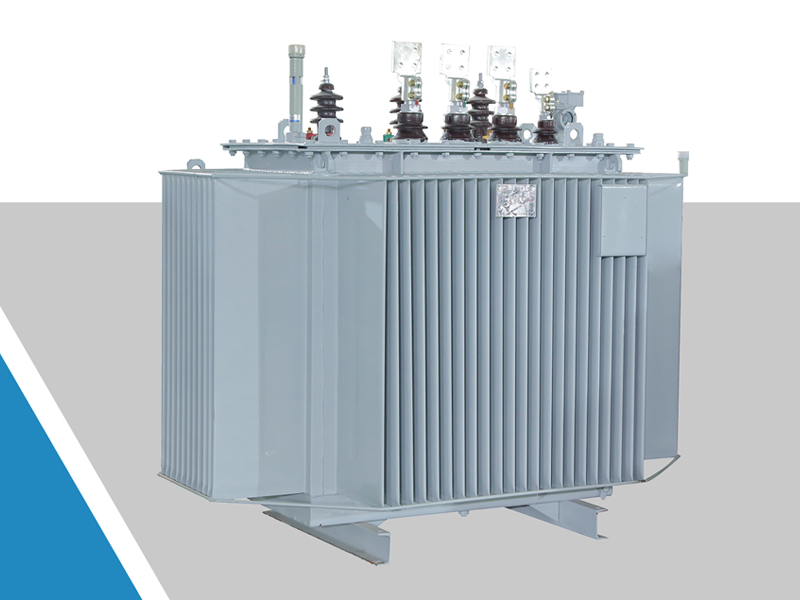
Secondary energy efficiency oil-immersed transformer - comprehensive analysis of S20 series energy-saving distribution transformers
The secondary energy efficiency S20 oil-immersed transformer achieves significant loss reduction through high-quality silicon steel sheets + optimized electromagnetic design, and its fully sealed structure extends its service life. It is an ideal choice for taking into account policy compliance and economy under the new national standards.
 04 2026-07
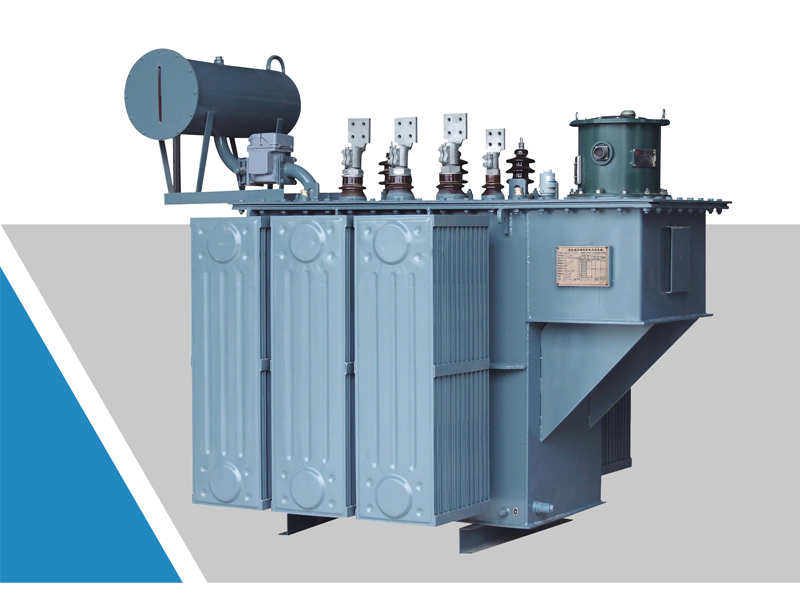
Three-phase power transformer: the core hub and technological evolution of modern power systems
This article systematically introduces the technical principles, product classification, key parameters, performance advantages and selection points of three-phase power transformers as the core equipment of power transmission and distribution systems. From oil-immersed type to dry type, from conventional energy-saving type to amorphous alloy special type, we sort out the best choices for different application scenarios one by one. At the same time, combined with typical fields such as industry, construction, infrastructure and new energy, it demonstrates the irreplaceable role of three-phase transformers in modern power grids.
 30 2026-06
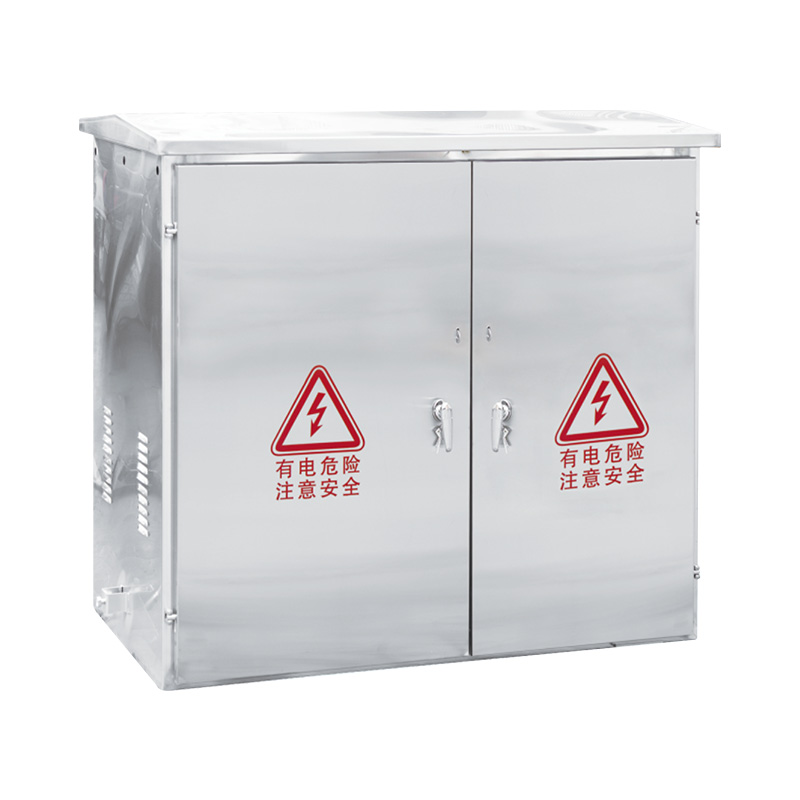
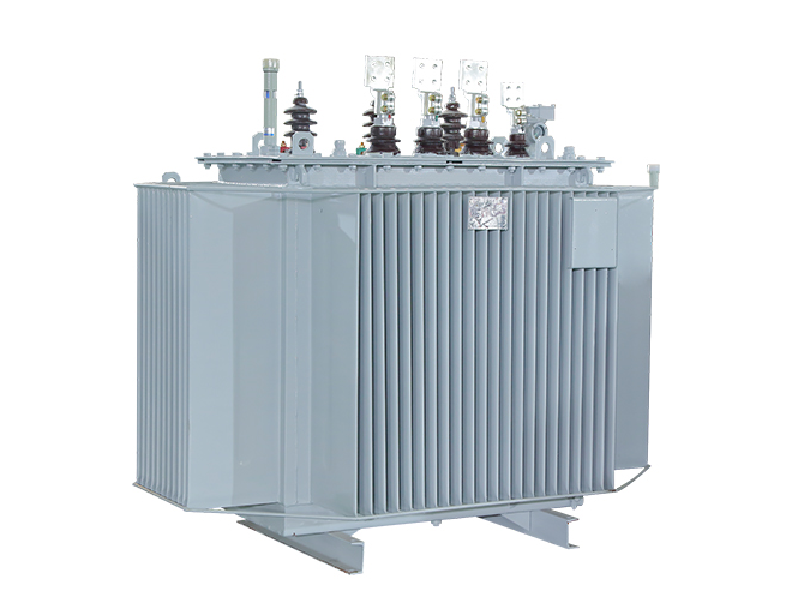
What is JP Cabinet (Low-Voltage AC Integrated Distribution Box)
JP Cabinet (Low-Voltage AC Integrated Distribution Box) is an integrated power distribution product installed on the low-voltage side of transformers, integrating power distribution, metering, protection, control and reactive power compensation functions. It consists of three compartments: switch compartment, metering compartment and compensation compartment. Its main components include circuit breakers, metering and measuring current transformers, energy meters and data collection terminals, integrated power distribution control terminals, capacitor switching units and self-healing low-voltage shunt capacitors.
 26 2026-06
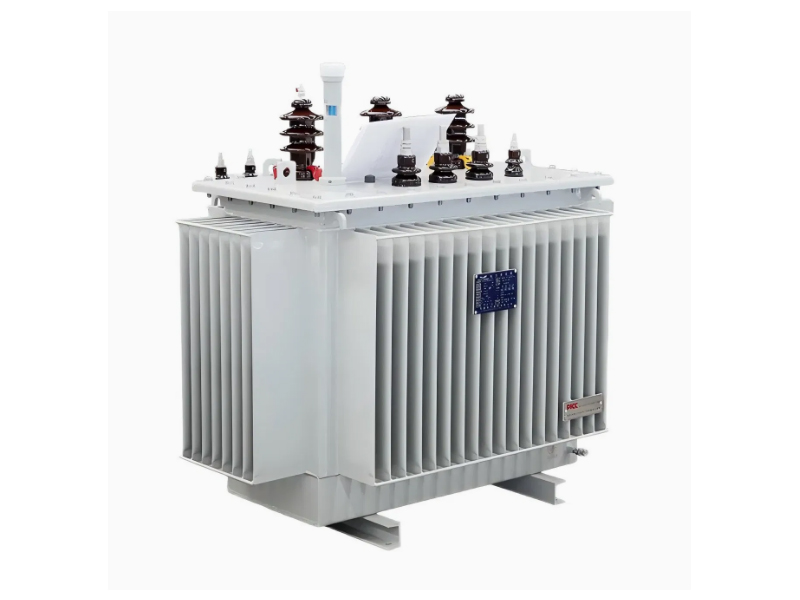
There is also a "safety guard" inside the transformer - a gas relay
In the entire power system, although the gas relay is only a "small accessory" on the transformer, it always protects the internal safety of the transformer. It can not only keenly capture early subtle anomalies, but also decisively cut off the power supply in critical moments, truly embodying the value of "four or two moves a thousand pounds".
 24 2026-06
Kokia yra prasto transformatoriaus stabilumo priežastis?
Kaip pagrindinė elektros sistemos įranga, stabilus transformatorių veikimas tiesiogiai veikia saugų elektros tinklo veikimą ir maitinimo kokybę. Tačiau realiai veikiant daugelis transformatorių susidurs su problemomis, tokiomis kaip dideli įtampos svyravimai, netolygus apkrovos pasiskirstymas ir sumažėjusios perkrovos galimybės. Šie reiškiniai dažniausiai rodo „prastą transformatoriaus stabilumą“. Taigi, kokios yra pagrindinės prasto transformatorių stabilumo priežastys?